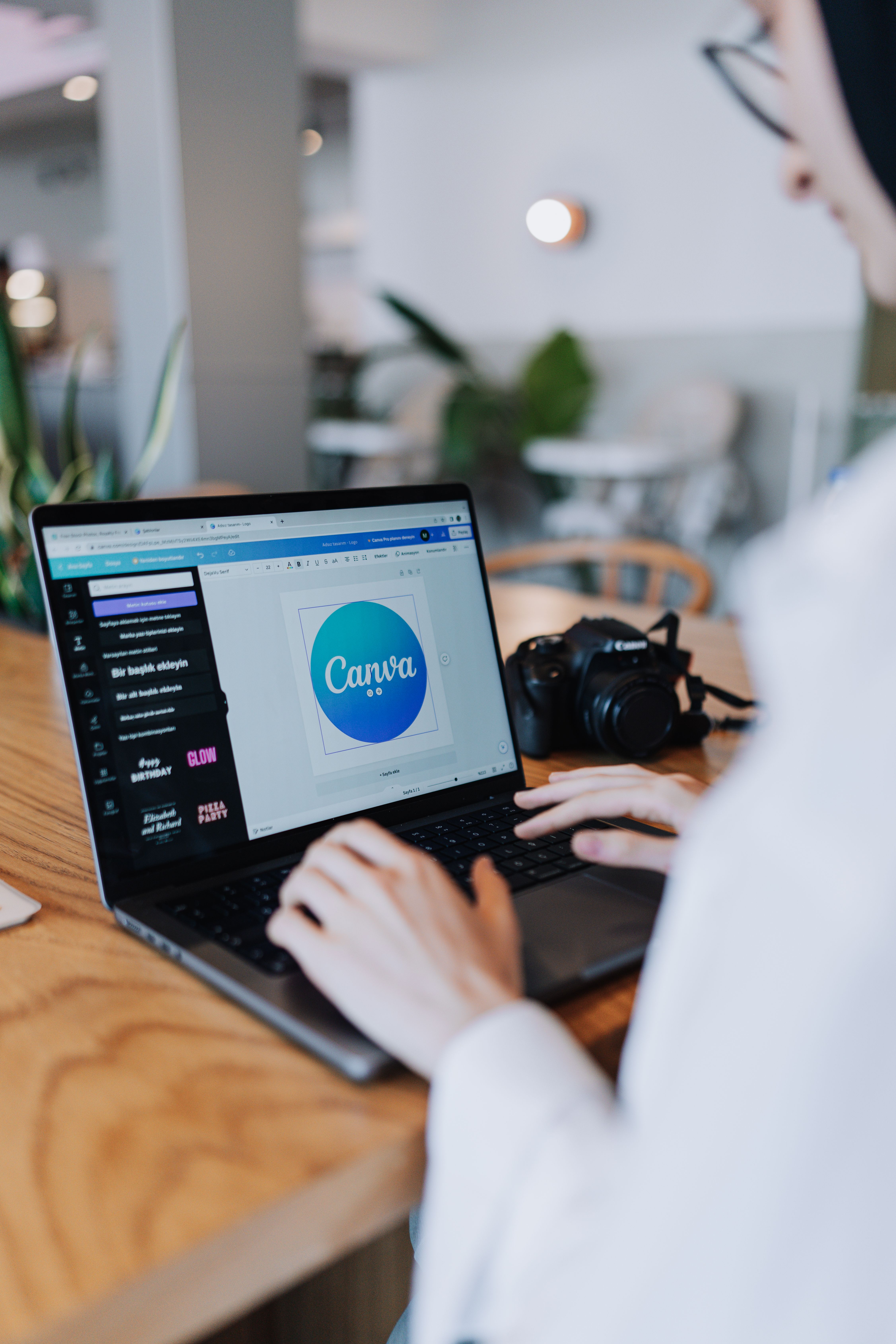

Design a Professional-Looking Logo with AI Tools: A Step-by-Step Workflow
Creating a polished logo for your app on a budget is more feasible than ever with AI. This guide outlines a practical workflow you can follow, assuming you already have an app name and a basic brief. It covers ideation, concept exploration, final selection, and formatting for multiple platforms.
1) Ideation: framing the brief
– Start with a simple description of your app and its target audience. Example: “An AI tool that enables app builders to create logos within seconds.”
– Consider the brand personality you want to convey (trustworthy, innovative, friendly, premium, etc.).
2) Understanding logo types
Familiarize yourself with the main logo categories to determine which best fits your brand:
– Minimalist: clean lines, simple shapes, limited colors; scalable and timeless.
– Lettermark/Monogram: creates a strong, compact mark from initials.
– Symbolic/Abstract: non-literal shapes representing core values; distinctive and protectable.
– Mascot: character-based marks for emotional appeal and approachability.
– Combination Mark: symbol plus text for flexibility and branding strength.
– Emblem: integrated text within a badge for a traditional, authoritative feel.
– Dynamic/Adaptive: multiple variations that adapt to contexts.
Choose a type that aligns with your app’s personality, audience, and where the logo will appear most often. Hybrid approaches and evolutions over time are common.
3) Ideation inputs and prompts
With the app name and brief in hand, you can collaborate with AI to brainstorm style directions. An effective approach is to use a structured prompt that yields multiple concepts. Example prompt elements:
– Role: “A creative graphic designer and branding expert with knowledge of symbolism, color psychology, typography, and modern design trends.”
– Task: “Generate thoughtful, original logo ideas for a business based on its name and description.”
– Output goals: “Three distinct concepts, each with a name, main elements, color palette (3–5 colors) with hex codes, style, and a concise rationale.”
– Diversity requirement: one modern/simple, one symbolic/illustrative, and one bold/abstract.
– Practical note: include notes on adaptability for digital and print.
4) Concept refinement and in-place editing
– After you generate concepts, evaluate them for distinctiveness and alignment with the brief.
– If your chosen concept needs tweaks (color, weight, orientation), many AI tools support in-place editing or prompt-based revisions.
– You can re-run prompts to explore alternate directions or variations of the chosen concept.
5) Picking the best logo
Use a simple checklist:
– Simplicity: legible at small and large sizes.
– Brand alignment: visual cues that hint at what the product does.
– Color suitability: works on light and dark backgrounds; conveys the right mood.
– Distinctiveness: stands out among competitors.
– Readiness for formats: scalable vector-friendly and adaptable to various contexts.
6) Formatting the logo for different platforms
Prepare multiple sizes and formats for social media, favicon, app store, and print:
– Consider using a tool or service to generate standard sizes efficiently.
– Create an SVG version for scalability and easy editing in professional tools (Illustrator, Canva, etc.).
– Maintain a consistent color system and typography for brand cohesion.
– Create guidelines for how the logo should appear on light vs. dark backgrounds and across different surfaces.
7) Wrapping up and best practices
Key takeaways:
– Begin with solid ideation and a clear understanding of the logo type that fits your brand.
– Use AI to explore a variety of concepts quickly, then refine.
– Iterate until the logo feels right across contexts and sizes.
– Test thoroughly before finalizing to ensure legibility and impact.
– An AI-assisted workflow can shorten timelines and reduce costs while delivering professional results.
Would you like a tailored set of three logo concepts for your app? If you share:
– App name
– Brief description and target audience
– Preferred logo type (e.g., minimalist, symbol, combination)
– Any brand colors or style preferences
I can generate example concepts with names, elements, color palettes, and rationales you can use as a starting point.